Top Orland Park Remodeling Pros
To get remodeling excellence in Orland Park, demand a documented scope, code checks against village and county rules, and line‑item pricing tied to permits and inspections. Lock specs early (SKUs, finishes, mechanicals) for accurate takeoffs and sequencing. Verify licenses, insurance, and inspection history; scrutinize BBB, litigation, and recent client references. Require GFCI/AFCI, ventilation calcs, moisture‑rated substrates, and kiln‑dried lumber. Track budget-to-actuals weekly and document change orders. You’ll see how top pros protect schedule, cost, and quality next.
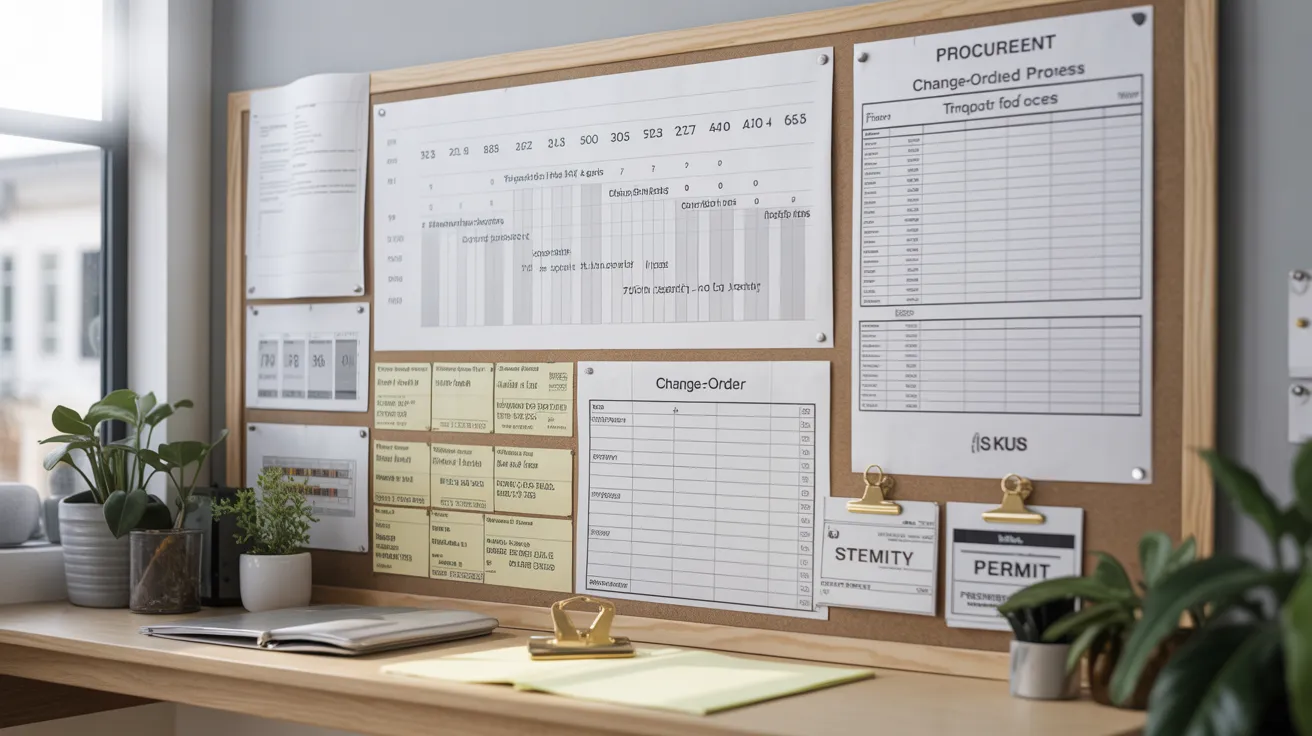
Core Findings
- Check licensing, permits, and insurance for Orland Park; review BBB standings, litigation history, and recent inspector sign-offs before making a hiring decision.
- Insist on clear project estimates featuring detailed materials, labor costs, allowances, contingency plans, and well-defined payment triggers linked with verification processes.
- Validate code compliance and regulations covering ventilation systems, load paths, GFCI/AFCI safety, emergency exits, fire barriers, and Cook County zoning requirements.
- Finalize specifications upfront (product specifications) to enable accurate takeoffs, stable budgets, and on-time procurement.
- Focus on property worth using Energy Star-certified devices, LED illumination, accessible bathrooms, upgraded insulation, and house-wide surge protection.
Key Qualities of Leading Orland Park Remodelers
Start with tested procedures and regional knowledge. You need a contractor who documents scope, verifies zoning, acquires permits, and schedules inspections without delays. Top Orland Park remodelers assess load paths, determine ventilation, and implement GFCI/AFCI protection where required. They measure twice, analyze situations, and coordinate trades to preserve clearances, fire blocking, and egress.
You'll notice their local expertise in their strategic sequencing of structural modifications, removal, and demolition work to preserve adjacent surfaces and systems. They maintain rigorous material selection standards: water-resistant materials in moisture zones, moisture-controlled timber, low‑VOC finishes, and regulation-meeting fasteners and connectors. They provide thorough paperwork with material tracking, cut sheets, and delivery verification against specifications. They wrap up with thorough project documentation, warranty certificates, and built drawings, guaranteeing your remodel operates efficiently while adhering to safety protocols and building codes.
Strategic Planning and Straightforward Pricing Approaches
From pre-design through closeout, careful organization and clear cost breakdowns maintain your Orland Park renovation project on track, within budget, and meeting all regulations. You start with a clear scope, a compliance verification against Orland Park and Cook County requirements, and a project timeline connected with permits, inspections, and lead times. You organize specifications early-SKUs, finishes, mechanicals-so takeoffs are precise and procurement is sequenced.
Apply incremental calculations to verify costs at concept, schematic, and construction documents. Break down the budget to assign funds to discrete work packages-demolition, structural work, mechanical systems, finishing touches-so you observe variances in real time. Require line-item labor, materials, allowances, and contingencies, plus itemized rates for changes. Lock long-lead items with down payments, specify inclusions/exclusions, and set payment triggers by quality checks or task completion, not calendar dates.
Vetting Contractors: Essential Steps for Verification
Before soliciting contractor quotes, make sure to validate every contractor's legal status and track record in Orland Park and Cook County. Start with license verification through the IDFPR and the Orland Park Village permit database. Verify they maintain active liability insurance and workers' compensation; request documentation listing you as the certificate holder. Review their BBB standing, litigation history, and grievances linked to their permit numbers.
Evaluate reviews on Google, Houzz, and GuildQuality, emphasizing inspection outcomes and code compliance, schedule adherence, and management of change orders. Complete client verification with at least three recent clients and one project from more than three years ago. Ask for inspection approval paperwork and completion photographs. Check out an ongoing project site to review housekeeping, safety measures, management of subcontractors, and visible licensing.
Harmonizing Vision, Budget, and Timeline for Achievement
If you're undertaking a kitchen remodel or adding more living space, you need a precise scope that links design objectives to a feasible budget and workable schedule. Specify design expectations in writing: spatial measurements, material selections, equipment specifications, fixture specifications, and code-required clearances. Set up an allowance structure for cabinets, tile, light fixtures, and unexpected costs, then confirm procurement timelines to safeguard the critical path.
Align numbers with time. Require a master timeline with key phases: permitting, rough-ins, inspections, drywall, and punch. Implement phased scheduling if utility relocations or long-lead materials threaten continuity. Finalize subcontractor schedules and verify permit sequencing with Orland Park authorities.
Hold regular progress reviews measuring financial performance and timeline deviations. Document change orders immediately, specifying scope, financial implications, and days added, prior to implementation.
Key Elements Boosting Livability, Usability, and Home Worth
As codes continue to evolve and homeowner expectations grow in Orland Park, you can prioritize improvements that boost day-to-day livability while maximizing appraisal value. Commence with a transformative kitchen: select Energy Star-rated, eco-friendly appliances, induction cooking, and resource-efficient, code-compliant fixtures. In bath spaces, combine barrier-free showers, wall reinforcement for safety features, and lever handles to promote universal design without diminishing style.
Enhance comfort and performance with better insulation, air sealing, and a right-sized HVAC with advanced zoning systems and Wi‑Fi thermostats. Add LED lighting, child-safe receptacles, GFCI/AFCI protection, and whole‑home surge suppression to comply with current electrical standards. Maximize storage with fully extending drawers, mudroom drop zones, and custom closet systems. Outside, think about low-maintenance deck options, energy-efficient windows, and thermally efficient garage doors to enhance energy performance and exterior aesthetics.
Questions and Answers
How Do Home Improvements Influence Insurance Coverage and Costs
Renovation work may increase your property's replacement cost, meaning your insurer may have to modify your policy limits and costs. You may need coverage updates or policy riders to reflect new square footage, modernized utilities, or high-end materials. Notify your insurance copyright prior to beginning work; they may need building permits, qualified builders, and modifications up to code. Track costs and materials, review and adjust insurance limits, and secure construction coverage during construction. Upon completion, obtain an updated valuation to ensure adequate dwelling coverage, ordinance or law coverage, and liability insurance.
Permit Responsibilities: A Guide for Homeowners and Contractors
You generally manage zoning approvals, HOA consent, and utility notifications; your builder obtains building and trade-specific permits covering electrical, plumbing, and heating/cooling systems and schedules inspections. However, review your agreement: you're typically considered liable if permits lapse. You need to sign permit forms, submit required fees, and submit property layouts. The contractor is required to submit stamped drawings, comply with regulations, display permits at the location, maintain safety, and obtain final inspection approvals before occupancy.
What's the Safest Way to Live Onsite During Major Renovations?
You can safely live onsite by isolating work zones with plastic barriers and negative air machines, setting up a here Temporary kitchen with GFCI outlets, and keeping clear egress paths as required by regulations. Establish noise reduction protocols with quiet hours and white-noise devices. Use dust control (HEPA vacuums, shoe covers), daily cleanup, and MERV-13 filters. Confirm CO/smoke detectors, secure utility connections, and isolate power systems. Keep children and pets out, post warning signs, and plan verification visits before reoccupying areas.
What Type of Warranty Protection Applies to Materials and Labor After Completion
You generally receive two kinds of warranty: a Workmanship warranty and a Material warranty. The Workmanship warranty protects against installation issues-such as misaligned installations, improper sealing-typically 1-5 years, based on code-compliant practices and repair solutions. The Material warranty is issued by manufacturers-safeguarding fixtures, roofing, windows-lasting 5-30+ years, addressing defects, not normal usage or misuse. Want protection if issues arise? Preserve signed scope, specs, serials, and maintenance documentation; request transferable warranties and written claim procedures with specified response times.
How Should Change Orders Be Documented to Eliminate Disputes
You record modifications through a signed and documented amendment that references the original contract. You outline scope changes line-by-line, attach drawings/specs, and update quantities, materials, and schedule impacts. You include unit prices or a lump sum, detail labor/equipment rates, and set approval dates. You manage cost tracking using numbered change order logs, updated budgets, and current time-and-materials tickets. You store emails, meeting minutes, and photos to create a defensible record.
Closing Remarks
You've seen what separates elite Orland Park remodelers: they master strategic preparation, upfront pricing, and code-compliant work. You set goals, validate licenses and reviews, and insist on written specifications for scope, schedule, and specs. You coordinate vision, budget, and timeline; they ensure expert workmanship, full compliance, and total reliability. Choose materials that last, systems that conserve, and layouts that function well. Should you thoroughly vet, contract precisely, and track progress, you'll safeguard your investment, elevate comfort, and optimize resale value-without unexpected issues.